
Writing Recipe
Flexibility in Writing Practice

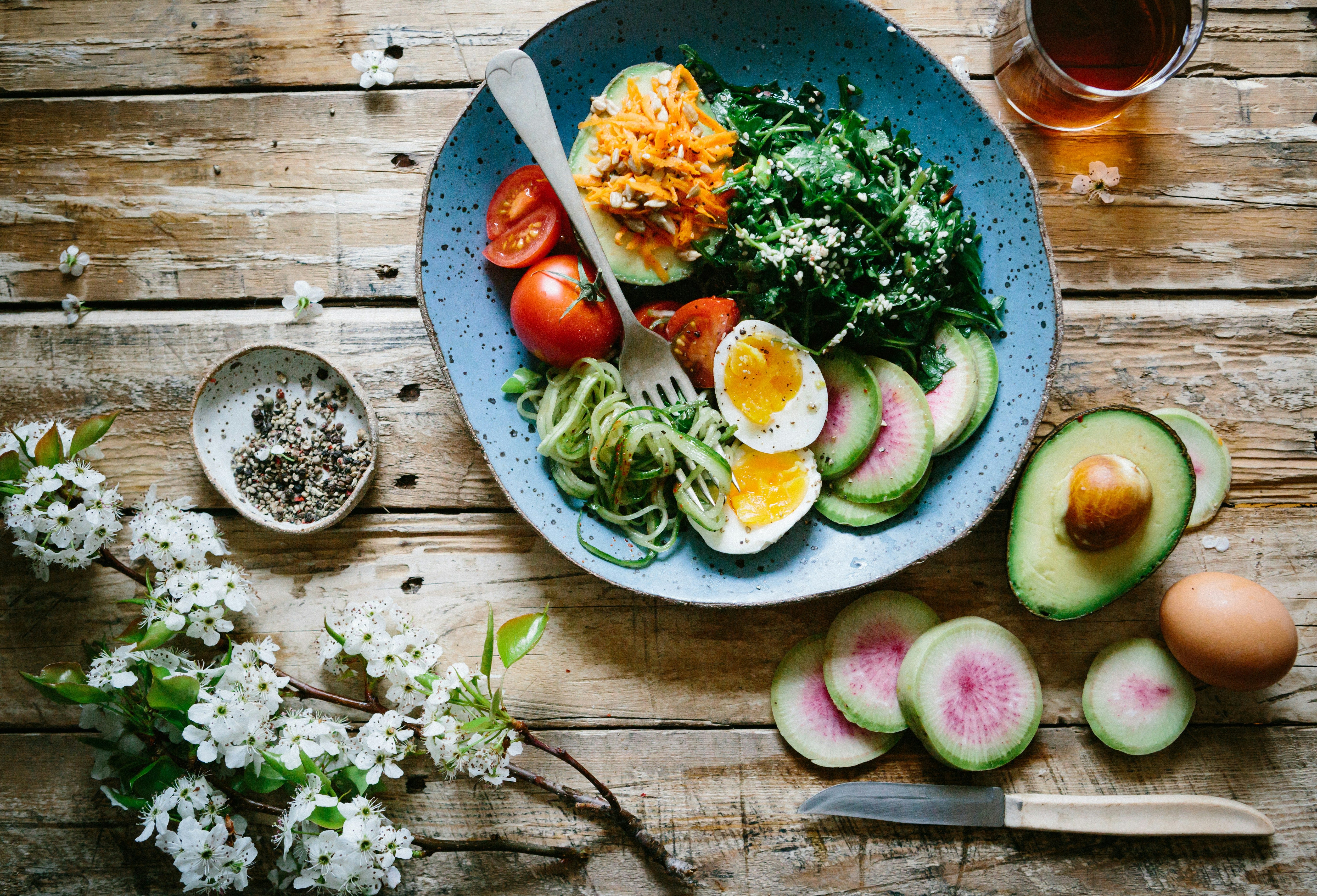
As the new year gains momentum, it’s a good time to reflect on the kind of writer you are and how to make the best of it. Note that we are not advocating that you come up with a new writing routine and stick to it, as we have previously written about the unhelpfulness of this term and know that routines can feel inflexible and daunting. Instead, we are proposing that you think of your writer’s life more as a recipe that has its key ingredients, but also an inbuilt flexibility.
When Hallie and Karīna designed their early writing workshops, Hallie was obsessed with watching an inspirational chef Sohla El-Waylly’s show “Off Script.” Instead of presenting a fixed recipe to follow rigorously, Sohla showed the audience how to cook a base dish that could be adapted in many ways, so they could learn to go “off script” themselves. In the process, Sohla demystified basic cooking challenges (timing, texture, etc.) and, most importantly, taught her audience the art of substitution (vegetable oil when the recipe calls for butter, etc.).
When we think of writing like a basic recipe – with its main ingredients in place but that can be modified – it becomes very manageable. You get to ask yourself: what’s essential for my basic writing recipe and what’s flexible in it? The inbuilt flexibility is why we like to talk about writing practice instead of a routine. Your practice is tailored to you and more sustainable than a rigid routine. It is also intentional.
You need to take a walk with your dog, clear your desk, and have a cup of tea before you write, but you are in a hotel room far away from home? Modifiable! The dark deadline cloud above your head, you take a walk around the block to get a cup of tea, jot a few notes while waiting for coffee or tea, tidy up the few possessions you have with you, and then off you go to finish that brilliant draft of the paper you are about to present at the conference! The key ingredients are in place, and everything else can be tinkered with.
Looking In
What if your writing practice consisted of a basic “recipe” that you could modify?
Take 5 minutes to reflect on a time when writing went well (broadly defined, we all have different expectations of ourselves as writers). Imagine a specific instance clearly. You can freewrite or just think about it.
From there, write a list of “ingredients” you need, or steps to take, for your writing to go well. Post it somewhere visible!
Now reflect on whether you have been sticking to your recipe this week or month? What obstacle throws you off course the most? (This can be done a week after the initial recipe is drafted, too.)
Finally - reflect on how you might address this obstacle with a recipe modification? You should write this down too!
Looking Out
Elizabeth McCracken. A Long Game: Notes on Writing Fiction. A refreshing anti-craft craft book for all writers in need of inspiration that defies all advice.